Start Here
Protect your roof before small issues grow.
Tell us what you are seeing, and we will help you choose the right next step. From inspections to repairs, we keep the process straightforward.
Services
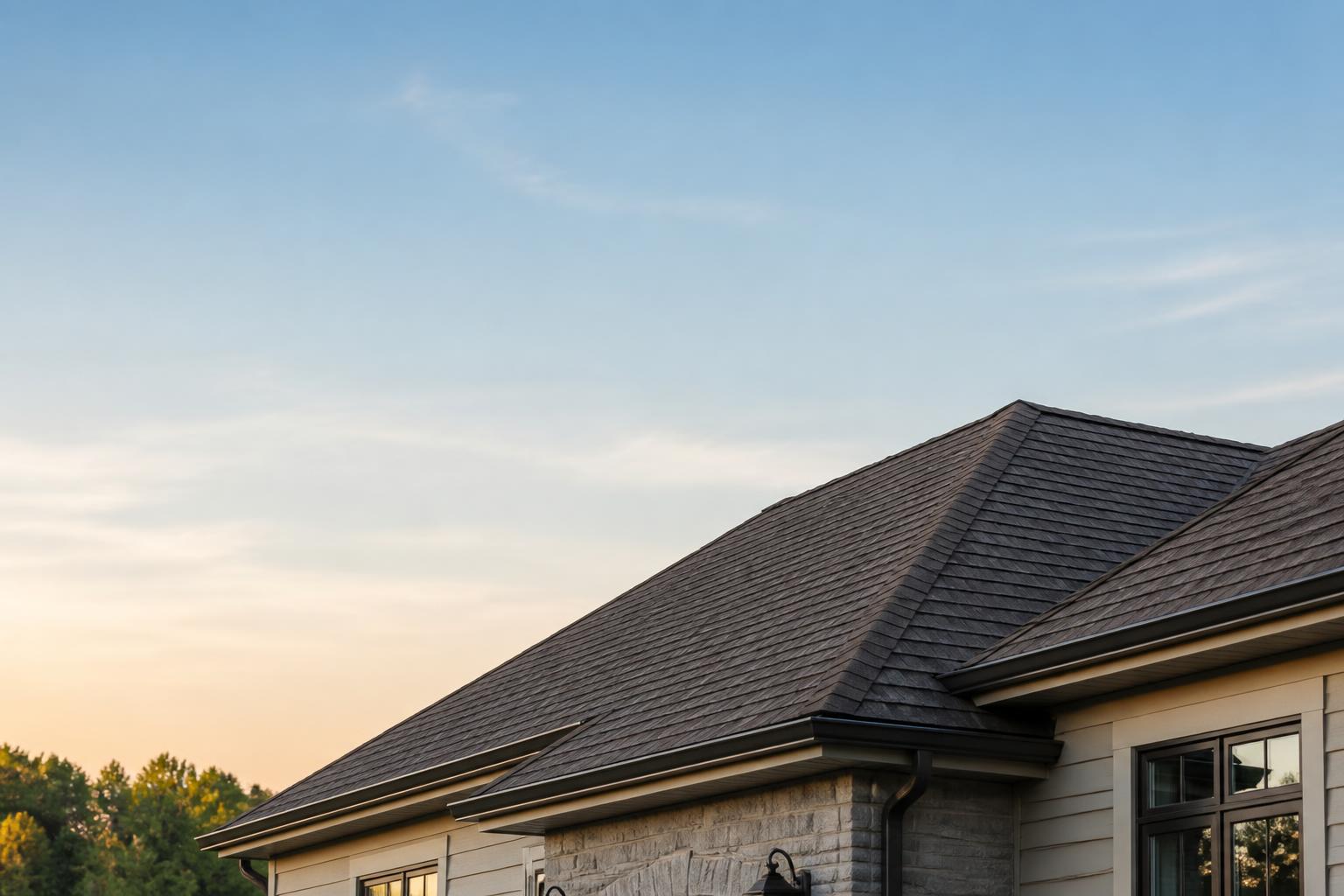
After a storm, a roof can look mostly fine from the street and still be letting water where it should not. Missing shingles, lifted edges, dents, and new stains on ceilings are all signs your home may need attention soon.
Evergreen Ridge Roofing helps property owners across Irvine, CA with storm damage repair that focuses on the damage you can see and the hidden problems you cannot. We start by finding where the roof was compromised, then we repair the damaged sections before a small concern turns into a larger one.
Storm damage does not always mean a dramatic roof failure. A few broken shingles or a loosened flashing edge can be enough to open a path for water. If your home took a hit from strong wind, rain, or debris, the roof should be checked even when the damage seems minor.
Common signs that call for a closer look include:
When these symptoms show up, the roof may already be allowing water into the decking or underlayment. A fast inspection and repair plan helps reduce the chance of spreading damage.
Storm-related damage often starts small and grows quietly. Once wind or debris affects a section of roofing, water can travel beneath surrounding materials and show up far from the original opening. That makes the problem harder to trace without a careful inspection.
High gusts can loosen shingle tabs or lift roof edges just enough to expose the layers below. Even if the shingles settle back down, the seal may be weakened and the area may be vulnerable during the next rain.
Branches, flying debris, or hail-like impacts can leave marks that compromise the surface. Some impacts are easy to spot, while others create small breaks that only become obvious once moisture reaches the underlayment.
Leaks do not always appear right away. Interior staining, damp insulation, and attic moisture can show up later, especially if the roof has several affected points. That is why a repair visit should focus on both the damaged area and the path water may have taken.
When Evergreen Ridge Roofing is called for storm damage repair, we work through the roof methodically so the visible damage and the related weak spots are addressed together. The goal is to restore the affected sections and help prevent the same issue from returning after the next storm.
Because storm damage can affect more than one part of the roof, a narrow fix is not always enough. We focus on the actual condition of the roof rather than the most obvious symptom alone.
Storms tend to hit certain roof components harder than others. If you know where to look, it is easier to catch damage before it turns into a leak or structural concern.
Shingles may be missing, torn, loosened, or left with broken edges after wind or debris contact. Damaged shingles can reduce protection across the roof surface and create direct entry points for moisture.
Flashing helps seal areas where the roof changes shape or meets another surface. When flashing bends or separates, water can enter along seams and show up later as interior staining.
Storm debris can shift roof runoff patterns and place extra stress near gutters. If those areas were affected, repair may need to address both the roof edge and the drainage components nearby.
Roof damage does not stay the same for long. Sun, rain, and wind can widen weak spots, and one storm can leave the roof ready to fail during the next. Quick repair helps protect the structure beneath the roofing materials and limits the spread of moisture damage.
For homeowners and light commercial property owners across Irvine, CA, acting early also makes the repair process more manageable. Once water reaches insulation, framing, or interior finishes, the work often becomes more involved than the original roof repair would have been.
Evergreen Ridge Roofing handles storm damage repair with that timing in mind, focusing on the parts of the roof that need attention before they become bigger headaches.
After the weather clears, a simple visual check can help you decide whether the roof needs professional attention. Stay on the ground and look for signs that something changed during the storm.
If any of these signs are present, the roof should be looked at soon. Even when the home does not show an active leak, the storm may have weakened a section that is now exposed to the next round of weather.
Cosmetic marks can still hide deeper trouble. A dent, crease, or missing piece may have opened a path for water, so it is worth checking the area beyond the surface appearance.
Yes. Water often travels before it becomes visible indoors. A stain or drip may appear after a delay, especially if the affected area is small.
Yes, if it is safe to do so. Look for damp insulation, dark wood, or a musty smell near the roofline, since those can point to new roof damage.
Wind and debris usually cause the most visible problems, such as missing shingles, lifted edges, and flashing movement. Water entry can also follow if the roof surface was opened up.
It can. Once one area is compromised, water and wind can reach neighboring sections and weaken them over time.
That is the goal. We look at the obvious damage and the surrounding roof areas so the repair addresses the source, not just the symptom.
If your roof took a hit and you are seeing signs of damage, Evergreen Ridge Roofing can help you move forward with a clear repair plan. We serve Irvine, CA and nearby coastal Orange County communities with storm damage repair, roof replacement, roof repair, leak detection, roof inspections, and gutter repair.
From a few missing shingles to more widespread impact damage, we work to restore the affected roof areas with care and attention to detail. If your property needs storm damage repair, reach out and get the roof looked at before the next round of weather puts more stress on it.
Start Here
Tell us what you are seeing, and we will help you choose the right next step. From inspections to repairs, we keep the process straightforward.